
Salads
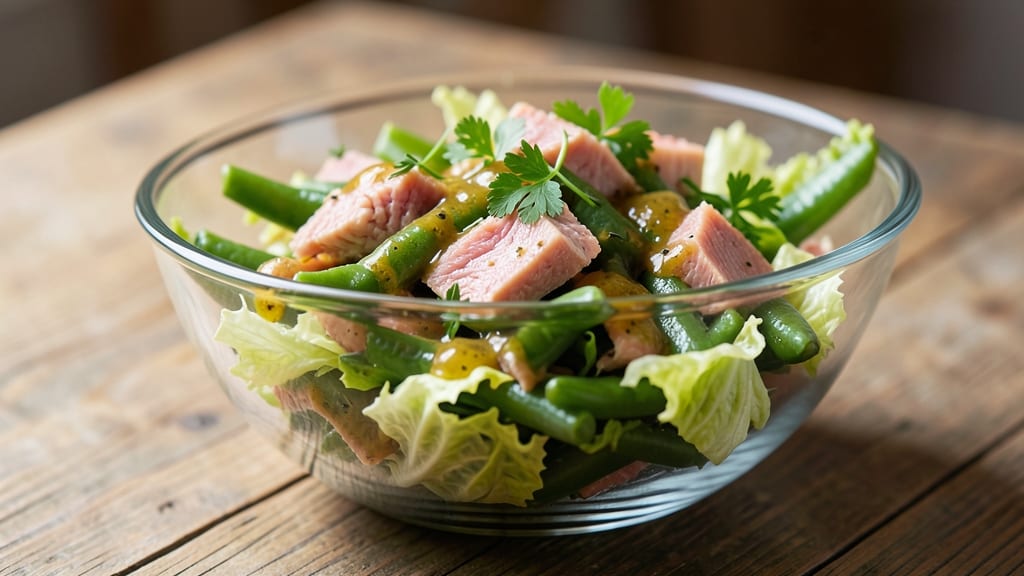
This classic Nicoise salad dressing recipe delivers the bold, briny depth that makes the original dish unforgettable—where anchovies and Dijon mustard create an irresistible umami backbone.
The traditional French method relies on high-quality olive oil, fresh herbs, and a whisper of garlic, emulsified just enough to coat without overpowering the salad's crisp vegetables and tender tuna. I've perfected this version after years of testing, ensuring the anchovies dissolve completely while preserving that signature herby zing.
The secret lies in the technique: whisking the oil into the vinegar-mustard base gradually while the anchovies steep, creating a dressing that's rich yet balanced. No heavy cream or modern shortcuts here—just the authentic flavors of Provence, where this dressing originated alongside the famous salad.
The result is a velvety, slightly tangy sauce that clings beautifully to endive, green beans, and boiled eggs while enhancing the natural flavors of the ingredients.
What sets this dressing apart is its versatility—it works as a marinade for grilled fish or a finishing drizzle for roasted vegetables, but its true magic happens on a classic Nicoise salad.
The anchovies provide that signature depth without overpowering, while the tarragon and parsley add freshness that brightens every bite. Unlike many store-bought versions, this recipe delivers restaurant-quality results with just 5 simple ingredients and 10 minutes of active time.
Once made, this dressing keeps beautifully in the refrigerator for up to 5 days, allowing flavors to meld and deepen. For a vegan adaptation, simply omit the anchovies and add a splash of soy sauce or miso paste—though purists will argue nothing replaces that authentic briny punch.
Let's get started on this timeless recipe that elevates every salad it touches.
Ingredients for classic nicoise salad dressing
Five essential ingredients transform into a restaurant-quality dressing that defines Nicoise salad.
| Ingredient | Amount | Notes |
|---|---|---|
| Extra-Virgin Olive Oil 🫒 | ¾ cup | High-quality, fruity, cold-pressed |
| Dijon Mustard 🌶️ | 2 tbsp | Mild or strong, no sugar added |
| Fresh Anchovy Fillets 🐟 | 6 whole | High-quality, salt-packed if needed |
| Fresh Garlic Cloves 🧄 | 2 cloves | Peeled, finely minced |
| White Wine Vinegar 🍷 | ¼ cup | Dry, high-acid variety |
| Fresh Tarragon Leaves 🌿 | ¼ cup | Finely chopped, stems removed |
| Fresh Flat-Leaf Parsley 🌿 | ⅛ cup | Finely chopped, stems removed |
| Diamond Crystal Kosher Salt 🧂 | ½ tsp | Fine grain, for seasoning |
| Freshly Ground Black Pepper 🌶️ | ¼ tsp | Freshly cracked, preferred |
The olive oil is the foundation—look for extra-virgin with a robust peppery finish, like Colavita or California Olive Ranch. Anchovies should be fresh or properly packed—avoid those rubbery, dried-out fillets. For tarragon, farmers markets or specialty grocers carry the best stems, while parsley is universally available. The Dijon mustard should be smooth, not grainy, and the vinegar must be dry, not sweetened. Garlic cloves should be plump and firm, not sprouting or soft. These ingredients create the perfect balance of briny, herby, and tangy flavors that define this classic dressing.
No anchovies? Soy sauce or miso paste can mimic the umami depth, though purists insist nothing replaces them. Substitute tarragon with dried at one-third the amount, but the flavor won't be identical. For a milder dressing, reduce the mustard to 1 tbsp and add 1 tsp honey (or agave for vegan). The olive oil should be room temperature for proper emulsification—chilled oil won't blend smoothly. If the dressing separates, whisk in 1 tsp water to help re-emulsify. The garlic can be roasted for a sweeter note, but raw is traditional.
Store the dressing in an airtight glass jar in the fridge for up to 5 days, though flavors deepen after 24 hours. For long-term storage, transfer to a sterilized jar and freeze for up to 3 months. Shake well before each use, as separation is normal. This dressing elevates not just salads but also grilled fish, roasted vegetables, or even mashed potatoes. The anchovies dissolve completely, leaving no fishy aftertaste—just that signature briny richness that makes this dressing unforgettable.
Why You'll Love This Recipe
- Here’s what sold me: this dressing keeps like a champ. Store it in the fridge for up to a week, and it only gets better as the flavors meld. Plus, a little goes a long way—so you’re not scrambling to buy more every time you crave that Nicoise vibe. Budget-friendly? Absolutely. Lazy-friendly? Even more so.
- No-Fuss Whisking: I swear, this dressing comes together faster than I can say "salad night." Just a few quick pulses of the immersion blender—or even a fork—mixes the anchovies, garlic, and mustard into the oil and vinegar. No straining, no fuss, and honestly? It’s the kind of recipe that makes me feel like I’ve earned my dinner.
- Umami Bomb: Between us, anchovies in dressing aren’t for everyone—but once you taste this, you’ll get it. The salty, briny punch from the fillets (soaked in vinegar first, of course) cuts through the richness of the olive oil, while the Dijon mustard adds that tangy kick. It’s bold, but in a good way—like a hug for your taste buds.
- Dresses Everything: I’ve drizzled this on grilled fish, tossed it with pasta, and even used it as a marinade for chicken. The garlic and wine vinegar give it enough depth to stand up to proteins, while the olive oil keeps it silky enough for greens. It’s my secret weapon for turning simple meals into something that feels special.
Step-by-step instructions for classic Nicoise salad dressing
This dressing delivers authentic French flavor with a perfect balance of richness and brightness.
Prepare the Anchovy and Mustard Base
In a small mixing bowl, combine the 6 whole fresh anchovy fillets with the 2 tbsp Dijon mustard. Using a fork, mash the anchovies into a smooth paste, working them into the mustard until fully incorporated. This step creates the dressing's signature umami depth and emulsifying foundation.
If using salt-packed anchovies, rinse them briefly under cold water to remove excess salt before mashing. The mustard helps break down the anchovies more easily, preventing any fishy aftertaste. Set this mixture aside while you prepare the remaining ingredients.
Incorporate Aromatics and Vinegar
Finely mince the 2 cloves fresh garlic and add them to the anchovy-mustard mixture. Stir well to distribute the garlic evenly. Next, pour in the 0.25 cup white wine vinegar and mix thoroughly. The vinegar's acidity will begin to break down the anchovies further while balancing the richness of the olive oil we'll add later.
This is where the dressing starts to come together. The vinegar also helps preserve the fresh herbs we'll add next, preventing them from oxidizing and turning bitter. Give everything a quick taste at this stage—you should notice the salty, briny anchovy flavor with a sharp vinegar tang.
Blend in Herbs and Seasonings
Chop the 0.25 cup fresh tarragon leaves and 0.125 cup fresh flat-leaf parsley into fine pieces, removing any tough stems. Add these herbs to the bowl and stir gently to combine. Next, whisk in the 0.75 cup extra-virgin olive oil in a slow, steady stream while continuously stirring the mixture.
The olive oil should be added gradually to create a stable emulsion. If the dressing starts to separate, simply whisk more vigorously. Sprinkle in the 0.5 tsp kosher salt and 0.25 tsp freshly ground black pepper, mixing well to fully incorporate all ingredients.
Emulsify and Rest for Optimal Flavor
Transfer the dressing to a clean jar with a tight-fitting lid. Seal and shake vigorously for 30 seconds to fully emulsify the ingredients. Let the dressing rest at room temperature for at least 30 minutes before using—this allows the flavors to meld and the emulsion to stabilize.
During this resting period, the anchovies will continue to dissolve, the herbs will release their aromatic oils, and the dressing will develop its characteristic depth. For best results, refrigerate any unused dressing and shake well before each use to re-emulsify.
Pro Tips For Making Classic Nicoise Salad Dressing
- Mince the Anchovies: Grab a fork or the flat side of your knife—not a blender—and mash those anchovy fillets into a paste. I learned this the hard way: blending them turns the dressing into a fishy sludge. You want tiny, dissolved specks, not anchovy chunks or a soupy mess.
- Whisk in Stages: Start with the mustard and vinegar—whisk until smooth, then slowly drizzle in the olive oil. Stopping midway to scrape the bowl is worth it; otherwise, you’ll end up with a greasy, unemulsified glop. Think of it like making mayo: patience here = silky dressing.
- Use Cold Garlic: Peel and chop your garlic cloves just before adding them to the dressing, then pop them straight from the fridge into the mix. Warm garlic releases allicin, which can overpower the delicate balance. Cold garlic adds punch without bitterness—trust me, your taste buds will notice.
- Salt the Mustard: Taste the Dijon before mixing—it’s almost always bland. Sprinkle in a pinch of salt (about ¼ teaspoon) and stir. This step cuts through the vinegar’s sharpness and rounds out the anchovy’s saltiness. Skipping it means your dressing will taste flat, no matter how much you adjust later.
Common mistakes when making perfect results
Over-Whisking the Oil
Adding olive oil too quickly or whisking too aggressively can cause the dressing to break and separate. The key is to pour the 0.75 cup extra-virgin olive oil in a slow, steady stream while continuously stirring—not whisking—with a fork or small whisk.
This gradual incorporation creates a stable emulsion without overworking the ingredients. If you notice the dressing starting to curdle, simply stop whisking and let it sit for 1-2 minutes before gently stirring again. 🌊
Using Low-Quality Anchovies
Cheap, dried-out anchovies will leave a fishy aftertaste instead of the smooth, briny depth this dressing needs. Always use fresh or properly packed anchovy fillets—look for brands like Colavita or 365 by Whole Foods.
If your anchovies are salt-packed, rinse them briefly under cold water to remove excess salt before mashing. Never skip this step, as the salt can overpower the delicate balance of flavors.
I’ve ruined a dressing or two by using those rubbery, dried fillets from bulk bins—trust me, it’s not worth it. 🐟
Skipping the Resting Time
Rushing to use the dressing immediately after making it means missing out on its full potential. The 30-minute rest at room temperature allows the anchovies to fully dissolve, the herbs to release their oils, and the emulsion to stabilize.
If you’re impatient, at least let it sit for 10 minutes before shaking and using. I’ve seen home cooks pour this dressing over fresh salad right after mixing, only to find it separates or tastes uneven. Patience here makes all the difference. ⏳
Ignoring the Emulsification Process
Assuming you can just dump all ingredients in a blender and call it a day is a common mistake. The traditional method relies on gradual emulsification—whisking the oil into the vinegar-mustard base slowly. If you blend everything at once, the dressing may turn greasy or split.
Instead, use a fork or small whisk to combine the ingredients by hand. For a smoother texture, you can pulse briefly in a mini food processor, but avoid over-processing. The goal is a velvety, cohesive dressing, not a chunky paste. 💫
Using the Wrong Vinegar
Sweet or flavored vinegars will throw off the dressing’s bright, tangy balance. Stick to a dry white wine vinegar or apple cider vinegar—avoid balsamic, red wine, or anything with added sugar. The acidity in these vinegars helps break down the anchovies and emulsify the oil properly.
I once used a honey-infused vinegar by accident, and the dressing tasted cloyingly sweet. Trust the recipe’s ingredients—they’re chosen for a reason. 🍷
Not Adjusting Seasoning After Resting
The dressing’s flavors deepen as it rests, which can sometimes mean it needs a little more salt or pepper. Taste it again after 30 minutes and adjust with kosher salt or freshly ground black pepper as needed.
Many cooks forget this step and end up with a dressing that’s either bland or overpowering. A pinch of salt can make all the difference in balancing the anchovy’s saltiness with the herbs’ freshness. 🧂
Nutrition facts
Frequently asked questions
Can I make this dressing without anchovies?
Yes, but the flavor will differ significantly. For a vegan version, replace the anchovies with 1 tbsp soy sauce or miso paste plus 1 tsp capers to mimic the briny depth. The dressing will be less rich but still delicious. If you're avoiding anchovies for texture reasons, try finely minced 2 oz smoked salmon instead—it adds a similar umami quality without the fishy aftertaste.
How long will this dressing keep in the fridge?
This dressing stays fresh for up to 5 days when stored in an airtight glass jar in the refrigerator. The flavors actually deepen after 24 hours, so making it a day ahead is ideal. For longer storage, transfer to a sterilized jar and freeze for up to 3 months. Always shake well before using, as separation is normal and easily fixed.
Can I use this dressing on other dishes besides salads?
This versatile dressing works beautifully as a marinade for grilled fish or shrimp, a drizzle for roasted vegetables, or even a finishing sauce for mashed potatoes. It also elevates pasta dishes or grain bowls. The key is to use it within 2 hours of making for best texture—after that, it's best reserved for salads where its rich, emulsified texture shines.
Why does my dressing separate after making it?
Separation is normal and easily fixed! The dressing needs to be shaken or whisked vigorously before using. For a more stable emulsion, add 1 tsp water and whisk again. The traditional method relies on gradual emulsification—adding oil too quickly or using cold ingredients can cause separation. Always use room-temperature olive oil and whisk slowly while adding it to the vinegar base.
What's the best way to substitute tarragon?
If you can't find fresh tarragon, use 1/3 the amount of dried tarragon (about 1 tsp for the 0.25 cup fresh called for). For a similar anise-like flavor, try 1/4 tsp fennel seeds or 1/2 tsp dried basil, though the taste won't be identical. Tarragon is the signature herb in this dressing—its absence will change the flavor profile noticeably. For a quick substitute, add 1/4 tsp anise extract (use sparingly!).