
Salads
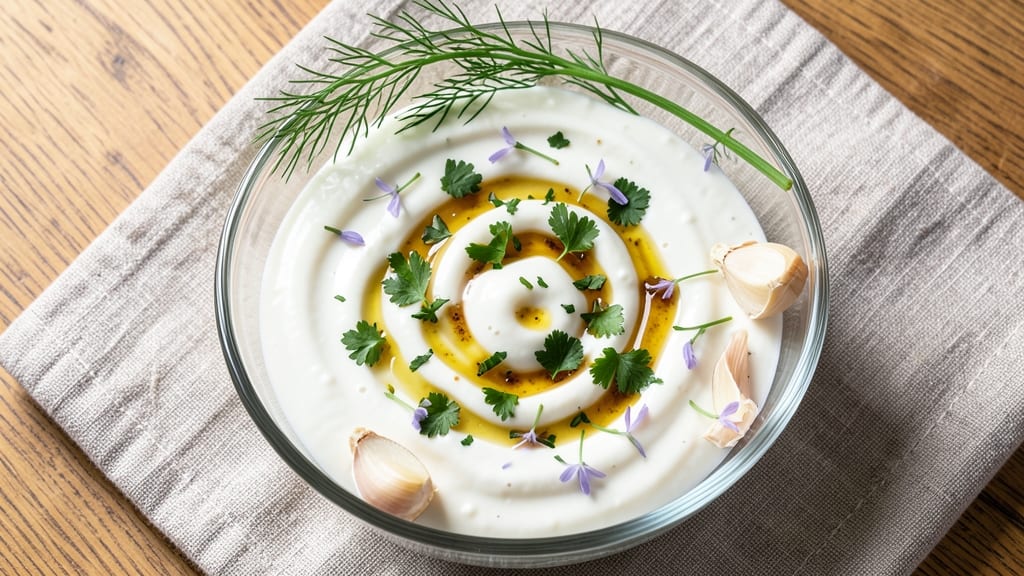
This cold salad dressing recipe delivers herb-infused creaminess without the mayo cling or greasy residue—perfect for salads, sandwiches, or dips. The secret lies in balancing buttermilk, olive oil, and fresh herbs to create a velvety texture that clings beautifully while staying light.
I developed this after years of struggling with dressings that either separated or left a heavy coating on greens.
The foundation is simple: buttermilk provides tangy richness, while olive oil adds depth without overpowering. Fresh herbs like dill, parsley, and chives bring bright, aromatic notes that elevate any dish.
What sets this apart is the emulsification technique—whisking vigorously and letting it rest ensures a smooth, stable dressing that won’t break down in your fridge.
What you’ll end up with is a dressing that’s creamy yet refreshing, with a perfect balance of acidity and richness. It’s ideal for tossed salads, as a sandwich spread, or even as a dip for crudités. The best part?
It stays fresh for up to a week, making it a versatile pantry staple for quick meals.
Whether you’re prepping for a week of lunches or need a last-minute dressing, this recipe delivers restaurant-quality results with minimal effort. Let’s make it—your salads will never be the same.
Ingredients for cold salad dressing
Nine ingredients transform into velvety, herb-forward dressing that clings perfectly without mayo heaviness.
| Ingredient | Amount | Notes |
|---|---|---|
| Buttermilk 🥛 | ½ cup | Full-fat for best creaminess |
| Extra-Virgin Olive Oil 🫒 | ½ cup | Light, fruity variety preferred |
| Fresh Dill 🌿 | ¼ cup | Finely chopped, stems removed |
| Fresh Flat-Leaf Parsley 🌿 | ¼ cup | Finely chopped, packed |
| Fresh Chives 🌱 | ⅛ cup | Finely chopped, mild flavor |
| Fresh Garlic Cloves 🧄 | 2 cloves | Minced, not powdered |
| Dijon Mustard 🌶️ | 1 tbsp | For emulsification boost |
| White Wine Vinegar 🍷 | 1 tbsp | Dry, crisp variety |
| Kosher Salt 🧂 | ½ tsp | Diamond Crystal preferred |
| Freshly Ground Black Pepper 🌶️ | ¼ tsp | Coarsely cracked |
The buttermilk is non-negotiable—full-fat gives that luxurious creaminess without turning greasy. Grab the organic brand from Whole Foods or any high-quality grocery store; it's worth the extra penny for this recipe. Fresh herbs are where the magic happens: dill should be bright green with no wilting, parsley should be vibrant, and chives should be crisp. Trader Joe's often has the best selection of fresh herbs in sealed containers—just check the 'use by' date. For garlic, freshly minced beats powdered every time; I use a microplane for quick, even texture. The olive oil? Light and fruity—avoid the heavy, peppery varieties that can overpower the delicate herbs.
No buttermilk? Plain yogurt thinned with milk works in a pinch (use 0.5 cup yogurt + 0.25 cup milk). Short on fresh herbs? Dried dill at one-third the amount gets you close, but the texture won't be as lush. Mustard hater? Skip it entirely—the dressing will still emulsify, just whisk a bit longer. Vinegar substitute? Lemon juice in equal parts, but the tang will be sharper. For storage, I always double the batch—this keeps for up to 1 week in the fridge, and the flavor actually deepens over time. The key is giving it a good stir before each use, especially if you've added extra herbs.
This dressing is a pantry game-changer—use it on everything from crisp romaine salads to hearty grain bowls. Store in a clean glass jar with a tight-sealing lid, and shake gently before each use. If it separates (which happens rarely), just whisk vigorously for 30 seconds—it'll come back together like magic. Freezes beautifully too: portion into ice cube trays, then transfer to a bag for up to 3 months. Pro tip: Add a pinch of salt to any dish you dress with this—it enhances all the flavors without overpowering.
Why You'll Love This Recipe
- No-Chop Needed: I’ll admit, I’m lazy with herbs—so this dressing wins. Just toss whole sprigs of dill, parsley, and chives into the blender with buttermilk and olive oil, pulse, and boom. No knife skills required, no tiny seeds to strain. The flavors still shine through like it’s hand-chopped.
- Bright & Tangy Magic: The buttermilk gives it that cool, creamy bite, while the herbs add a fresh punch that doesn’t overpower. Drizzle it on grilled fish or a simple potato salad—suddenly, everything tastes like a Mediterranean vacation. Honestly, I’ve used it on roasted veggies too, and it’s just as good.
- Weeknight & Potluck Hero: This dressing keeps for days in the fridge, so I make a big batch on Sunday and use it all week. It’s my go-to for last-minute salads, picnic spreads, or even as a dip for crusty bread when I’m too tired to cook. No one ever guesses it’s this easy.
- Budget-Friendly Luxury: Extra-virgin olive oil might sound fancy, but a little goes a long way here. The buttermilk and herbs stretch the cost, and I’m left with a dressing that tastes like it cost twice as much. Plus, fresh herbs from the garden (or the store’s cheap bunch) make it feel special without breaking the bank.
Step-by-step instructions for herb-infused cream dressing
This velvety dressing comes together in minutes—no mayo, no clinging mess, just pure herbaceous flavor.
Whisk Together the Base Ingredients
In a medium bowl, combine the 0.5 cup buttermilk, 1 tablespoon Dijon mustard, and 1 tablespoon white wine vinegar. The buttermilk should be full-fat for that luxurious creaminess, and the mustard acts as our natural emulsifier—this prevents separation later. Whisk vigorously for 30 seconds until completely smooth.
Here's the thing—don't skip this step. The mustard needs time to fully incorporate with the buttermilk to create a stable base. You'll notice the mixture thickens slightly as you whisk, which is exactly what we want for that perfect dressing consistency.
Add the Fresh Herbs and Garlic
Next, fold in the 0.25 cup finely chopped fresh dill, 0.25 cup finely chopped fresh flat-leaf parsley, 0.125 cup finely chopped fresh chives, and 2 cloves minced fresh garlic. I like to add these in stages—first the parsley and dill, then the chives and garlic—so each herb gets properly distributed. Use a rubber spatula to gently fold everything together.
The herbs should be finely chopped because we want them to blend seamlessly throughout the dressing without any texture surprises. The garlic should be minced, not pressed, to maintain its fresh flavor profile. Give everything a good mix, but don't overwork it—we're not making a pesto here.
Slowly Incorporate the Olive Oil
Now for the most critical step: gradually drizzle in the 0.5 cup extra-virgin olive oil while whisking continuously. This slow incorporation is what creates that silky, emulsified texture. Start with just a few tablespoons at a time, whisking vigorously after each addition until fully combined before adding more.
I use a light, fruity olive oil here because it complements the herbs beautifully without overpowering them. The key is patience—if you pour in all the oil at once, you'll end up with a separated dressing. Keep whisking until the mixture reaches a thick, creamy consistency, similar to heavy cream.
Season and Taste for Balance
Add the 0.5 teaspoon kosher salt and 0.25 teaspoon freshly ground black pepper, then taste the dressing. This is where you'll determine if any adjustments are needed. The herbs should be bright and fresh, the garlic should add a subtle punch, and the acidity from the vinegar should balance everything out.
If it needs more acidity, add a splash more white wine vinegar. If it needs more depth, add a pinch more salt. Remember, you can always adjust, but you can't take anything out once it's in. The dressing should be tangy, herby, and perfectly balanced—ready to elevate any salad.
Rest and Serve
Transfer the dressing to a clean jar or airtight container and let it rest at room temperature for 15-20 minutes. This resting period allows all the flavors to meld together beautifully. The dressing will thicken slightly as it sits, which is perfect for tossing with greens.
Give it a final stir before using, and you're ready to go. This dressing keeps beautifully in the refrigerator for up to 5 days, making it perfect for meal prep. It's creamy without being heavy, packed with fresh herb flavor, and completely free of that dreaded mayo cling. Trust me, your salads will never be the same again!
Pro Tips For Making Cold Salad Dressing
- STRAIN THE HERBS: Use a fine-mesh sieve or cheesecloth—no, your fingers aren’t fine enough. The dressing tastes cleaner and lasts longer without herb pulp clogging the bottle, and you’ll avoid that weird grainy texture that ruins the first bite.
- WHISK THE BUTTERMILK FIRST: Start with the buttermilk and herbs, then slowly drizzle in the olive oil. This keeps the dressing emulsified longer—no, it won’t magically thicken like mayo, but it’ll stay smoother for at least 3 days instead of separating after lunch.
- SALT THE BUTTERMILK: Taste the buttermilk before adding anything else—it’s usually bland. A pinch of salt (½ tsp) brightens the tang and balances the herbs, so you’re not left guessing why the dressing tastes flat later.
- USE THE STALKS: Chop the chive and parsley stems (about 1 inch) with the greens—they’re packed with flavor and add subtle crunch. Skip the stems, and you’re missing out on the best part, like ignoring the crust on garlic bread.
Storing and reheating this dish
Refrigerator Storage
Store your herb-infused dressing in a clean glass jar with a tight-sealing lid in the fridge for up to 5 days. I always use amber glass to protect the delicate flavors from light exposure—it makes a noticeable difference in freshness.
The dressing actually improves in flavor over time, so don't wait until the last day to use it all! 🥫
Freezer Preservation
For longer storage, portion the dressing into ice cube trays and freeze. Once solid, transfer the cubes to a freezer-safe bag with all the air squeezed out. This method keeps it fresh for up to 3 months without texture degradation.
When ready to use, simply thaw in the fridge overnight and give it a good whisk before serving.
Reheating and Rejuvenating
If your dressing separates after refrigeration (rare but possible), don't panic! Simply whisk vigorously for 30-60 seconds—the emulsification will return. For a quick flavor boost after storage, add 1-2 extra minced garlic cloves or a pinch of freshly cracked black pepper before using. This revives the dressing beautifully. ⚡
Portion Control Tips
I recommend making smaller batches (about 1 cup) if you won't use it all within 5 days. This prevents waste and ensures maximum freshness. Store portions in small mason jars—they're perfect for tossing in lunchboxes or packing with salads. Label with the date to track freshness easily.
Temperature Safety
Always bring the dressing to room temperature before using it on hot dishes like warm grain bowls. Cold dressing on hot food can cause temperature shock and affect texture.
If using on cold salads, chill it for 10-15 minutes in the fridge before tossing—this helps the flavors meld perfectly with the greens. 🌡️
Nutrition facts
Frequently asked questions
Can I make this dressing without buttermilk?
Yes! For a dairy-free version, substitute 0.5 cup plain Greek yogurt (thinned with 0.25 cup milk) or 0.5 cup sour cream mixed with 0.25 cup milk. The texture will be slightly thicker but still creamy. For vegan options, use 0.5 cup unsweetened almond milk with 1 tablespoon lemon juice and 1 tablespoon cornstarch (cooked and cooled) as a thickener.
Why did my dressing separate after refrigeration?
Separation usually happens when oil isn't emulsified properly. To fix it, whisk vigorously for 30-60 seconds—the mustard and buttermilk will re-emulsify. For prevention, always add oil very slowly while whisking continuously. If it happens again, try adding 1/2 teaspoon xanthan gum next time (mix with herbs first). This dressing is designed to be stable, but temperature changes can sometimes cause minor separation.
What's the best way to use this dressing beyond salads?
This versatile dressing works beautifully as a sandwich spread (try it on ciabatta or sourdough with smoked salmon), a dip for crudités or pita chips, or a marinade for grilled chicken or fish. For extra richness, drizzle over warm roasted vegetables or use as a finishing sauce for bowls or grain dishes. The herby flavor pairs especially well with citrus notes—add a squeeze of lemon when serving.
Can I adjust the flavor profile for different tastes?
For a tangier version, increase vinegar to 2 tablespoons or add 1 teaspoon lemon juice. For sweeter applications, stir in 1 teaspoon honey or maple syrup. Need more depth? Add 1/2 teaspoon smoked paprika or 1/4 teaspoon onion powder. For a nutty twist, replace 1/4 cup olive oil with walnut oil. Always taste as you go!
How do I prevent herbs from sinking to the bottom?
Finely chop herbs evenly (aim for 1/8-inch pieces) and pulse them briefly in a food processor before adding. For extra insurance, blend the herbs with 1 tablespoon water first to create a herb paste, then whisk into the dressing. This keeps everything suspended. If separation still occurs, give it a quick shake before using—herbs will distribute naturally when the dressing is in motion.