Sauces & Condiments
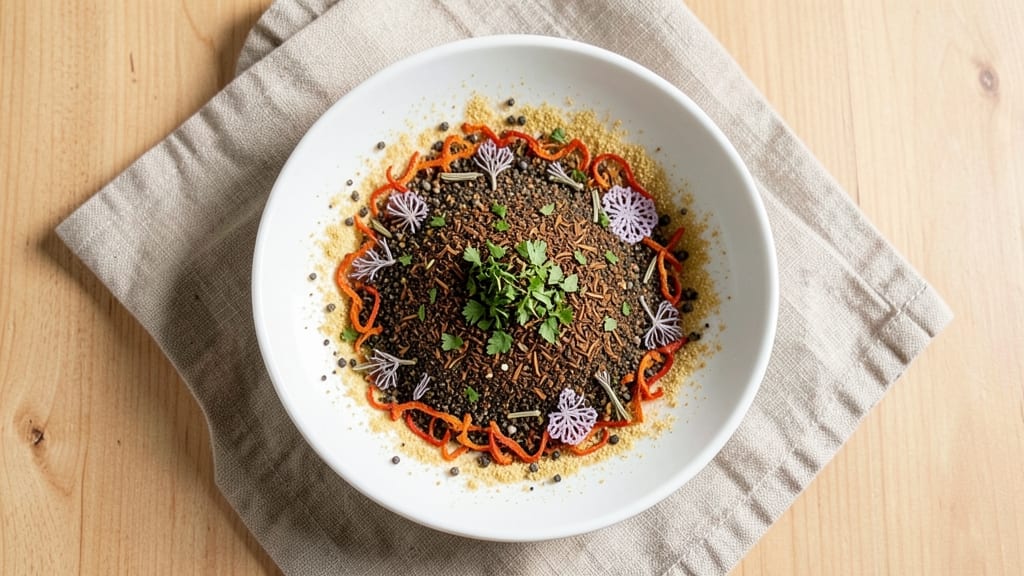
Creating a salad seasoning recipe that transforms ordinary greens into vibrant, restaurant-worthy dishes starts with this simple yet powerful herb blend. The key lies in balancing earthy spices with bright citrus and aromatic herbs—just a few tablespoons elevate any salad, grain bowl, or roasted vegetable from bland to bold.
I developed this mix after years of testing what actually sticks to greens without overpowering them, and the result is a versatile seasoning that lasts for months in your pantry.
This blend combines classic herbs like dried parsley and thyme with a touch of garlic powder for depth, while lemon zest adds a bright, fresh finish that cuts through rich ingredients.
The beauty of this seasoning is its adaptability—it works equally well on crisp arugula, hearty kale, or even as a finishing touch for quinoa and roasted sweet potatoes. Unlike store-bought mixes, this version uses precise measurements to ensure every batch delivers consistent, professional results without any guesswork.
What makes this seasoning truly special is how it transforms simple ingredients into something extraordinary with minimal effort. A single tablespoon tossed with fresh greens adds layers of flavor that dressing alone can’t match, while the same blend enhances grilled chicken or roasted Brussels sprouts.
The spices are finely ground to distribute evenly, so every bite is perfectly seasoned—no clumps, no waste. Store it in an airtight jar for up to six months, ready to elevate any dish with just a shake.
Whether you're prepping meals for the week or adding a finishing touch to a last-minute salad, this seasoning blend is your secret weapon. It’s the kind of simple upgrade that makes healthy eating feel indulgent, without sacrificing nutrition or flavor.
Let’s get started on creating your own jar of flavor-packed magic.
Ingredients for salad seasoning
Simple dried herbs and spices create this restaurant-quality salad seasoning blend.
| Ingredient | Amount | Notes |
|---|---|---|
| Dried Parsley Flakes 🌿 | 2 tbsp | Finely ground for even distribution |
| Dried Thyme Leaves 🌿 | 1 ½ tbsp | Fresh thyme preferred if available |
| Garlic Powder 🧄 | 1 tbsp | For aromatic depth |
| Dried Oregano 🌿 | 1 tbsp | Mexican oregano for extra zing |
| Ground Black Pepper 🌶️ | 1 tsp | Freshly ground preferred |
| Dried Lemon Zest 🍋 | 1 tsp | Brightens the blend instantly |
| Sea Salt 🧂 | 1 tsp | Fine grain for even seasoning |
| Ground Fennel Seed 🌿 | ½ tsp | Adds subtle licorice note |
| Smoked Paprika 🌶️ | ½ tsp | For smoky depth (optional) |
| Cayenne Pepper 🔥 | ¼ tsp | Adjust heat preference here |
The dried herbs are your foundation—Penzeys or bulk bins give the freshest taste, but any quality dried herbs work. Mexican oregano stands out from regular oregano with its citrusy kick, and fennel seeds add a subtle sweetness that pairs perfectly with greens. For the garlic powder, McCormick's is reliable, but toast your own whole garlic cloves and grind them fresh if you're feeling ambitious—it makes a noticeable difference. The dried lemon zest is where the magic happens; fresh zest is ideal, but Bragg's powdered lemon zest works in a pinch. Don’t skip the sea salt—it balances everything beautifully.
No dried lemon zest? 1/2 tsp dried lime zest adds a tangy twist, or use 1/2 tsp extra lemon zest powder for brightness. Want more garlic flavor? Add 1/2 tsp garlic powder or swap in 1/2 tsp onion powder for a different depth. The smoked paprika is optional but adds a smoky complexity that works wonders with roasted vegetables. If you’re avoiding heat, omit the cayenne entirely—it’s just there to spice things up if you want it. The blend stays potent for months, so don’t worry about using up the whole jar quickly.
Store in an airtight glass jar in a cool, dark place for up to 6-12 months. I like to keep mine in the pantry, away from heat and light, which can dull the flavors over time. To use, shake the jar before each application—1-2 tablespoons per pound of greens or grains is a good starting point. The spices distribute evenly, so you won’t get clumps or uneven seasoning. If you’re prepping for the week, portion it into small containers for easy access—this blend is perfect for tossing with salads, roasted veggies, or even grilled proteins. Trust me, it’s worth the effort.
Why You'll Love This Recipe
- No-Fuss Whisking: Honestly, this isn’t one of those recipes where you need a PhD in cooking. Just toss everything in a bowl, whisk it together—done. The dried parsley flakes and thyme leaves barely need breaking up, and the garlic powder and oregano blend in without fuss. Even my "I-forgot-to-plan-ahead" salads get a boost with zero stress.
- Layered Complexity: That little pinch of fennel seed? It’s the secret weapon. The licorice undertone from the fennel, the smoky depth of the smoked paprika, and the citrusy kick from the dried lemon zest make this seasoning way more interesting than plain salt and pepper. It’s like a little flavor party in every teaspoon.
- Salad to Skillet: Between us, this isn’t just for salads—it’s my go-to for roasted veggies, grilled chicken, or even tossing into pasta. Need a quick weeknight meal? Sprinkle it on chickpeas for a protein-packed snack. The garlic and oregano make it work everywhere, and the heat from the cayenne keeps things exciting.
- Pantry Powerhouse: This jar lasts forever—up to a year if stored right—and costs less than a fancy salad dressing. The dried herbs and spices stretch far, so you’ll have enough to sprinkle on meals for weeks. No waste, no guilt, just flavor on demand. My secret weapon for when the grocery bill needs to stay light.
Step-by-step instructions for salad seasoning recipe
Here's the method—simple, precise, and designed to transform your salads.
Measure and Combine the Base Herbs
Start by combining the 2 tablespoons dried parsley flakes and 1½ tablespoons dried thyme leaves in a small mixing bowl. I like to use a whisk for this step to ensure even distribution of the flakes, which can sometimes clump together. The parsley adds a bright, fresh dimension while the thyme brings earthy depth—together, they create the foundation of the blend.
Next, add the 1 tablespoon garlic powder and 1 tablespoon dried oregano to the bowl. The garlic powder infuses aromatic richness, and the oregano—especially Mexican oregano—adds a zesty, slightly citrusy kick. Use a fork or small spatula to gently fold these ingredients into the parsley and thyme, breaking up any clumps as you go. This ensures every pinch of the final seasoning delivers consistent flavor.
Add the Seasoning and Spice Components
Now, it's time to incorporate the seasoning elements. Add the 1 teaspoon ground black pepper, 1 teaspoon dried lemon zest, and 1 teaspoon sea salt to the bowl. The black pepper introduces a sharp, piquant edge, while the dried lemon zest brightens the blend with a citrusy tang that cuts through the richness of other ingredients. The sea salt ties everything together, enhancing the flavors without overpowering them.
Here's where the subtle complexities come in: sprinkle in the ½ teaspoon ground fennel seed and ½ teaspoon smoked paprika. The fennel seed adds a delicate licorice-like note that pairs beautifully with the herbs, while the smoked paprika introduces a subtle smokiness that elevates the blend from ordinary to extraordinary. Stir these ingredients in thoroughly to distribute them evenly.
Incorporate the Heat and Final Adjustments
For a touch of warmth, add the ¼ teaspoon cayenne pepper to the bowl. This is where you can adjust the heat level to your preference—reduce it to ¼ teaspoon if you prefer a milder blend, or increase it slightly for a spicier kick. The cayenne not only adds heat but also deepens the overall flavor profile, making the seasoning more dynamic.
Use a fork or small whisk to stir all the ingredients together until they are completely homogeneous. The blend should look uniformly colored with no visible streaks of individual spices. If you're using a mortar and pestle, this is the perfect time to grind everything together for an even finer texture. Once fully combined, transfer the seasoning to an airtight container for storage.
Store and Use for Maximum Freshness
Transfer the finished seasoning to an airtight container, such as a small jar or a tightly sealed plastic bag. Store it in a cool, dark place—like a pantry or cupboard—or refrigerate it for up to 3 months to preserve its potency. The airtight seal is crucial; it prevents moisture from seeping in and dulling the flavors.
To use, sprinkle 1 to 2 teaspoons of the seasoning over your salads, dressings, or even roasted vegetables. The blend works particularly well on greens like arugula, spinach, or mixed lettuce, but it also enhances grain salads, pasta salads, and even grilled meats. Toss it in just before serving to keep the flavors vibrant and fresh.
Pro Tips For Making Salad Seasoning
- WHISK THE PARSLEY FIRST: I used to just dump everything in and stir—big mistake. Those parsley flakes will clump if you don’t break them up first. Whisk them with the thyme alone for 10 seconds before adding anything else. This ensures every bite of your salad gets that bright, even herb punch instead of dry, clumpy bits.
- GRIND THE BLACK PEPPER FRESH: The recipe says "freshly ground preferred," and it’s not just fluff. Pre-ground pepper loses its kick fast. If you’re using whole peppercorns, grind just 1 tsp right into the bowl—it makes a real difference in how sharp and fresh the seasoning tastes. (Yes, even if you’re impatient like me.)
- STOP WHEN IT’S UNIFORM: Overmixing turns this blend into dust. Stir until there are no visible streaks of fennel or smoked paprika, then stop. The texture should look like a single, speckled color—no need to grind it into oblivion. This keeps the fennel’s subtle licorice note intact instead of turning it into a flavorless powder.
- SKIP THE SMOKED PAPRIKA IF…: That ½ tsp smoked paprika is optional, and if you’re using it on a dish that’s already got smoky elements (like grilled chicken or charred veggies), you might not need it. Taste the blend before sealing it—if it’s already got enough depth, leave it out. No one wants a double-smoke bomb when you’re just dressing a simple green salad.
Serving suggestions for this salad seasoning
Salad Toppings
This seasoning blend shines when paired with fresh, crunchy toppings that add texture contrast. I love sprinkling toasted pumpkin seeds or crushed pistachios over mixed greens for a nutty crunch that complements the herbal notes.
For a protein boost, add crumbled feta cheese or shaved Parmesan—both cut through the seasoning’s earthiness beautifully. 🌟
Grain Bowls
The same seasoning works wonders on grain bowls, transforming simple quinoa or farro into a flavor powerhouse. Toss cooked grains with 1-2 teaspoons of the blend, then top with roasted sweet potatoes, chickpeas, and avocado.
The smoky paprika and fennel add depth that pairs perfectly with the natural sweetness of grains. I often double the seasoning for grain-based dishes to account for their heartier texture.
Roasted Vegetables
Roasted veggies become restaurant-quality with this seasoning—just toss asparagus, Brussels sprouts, or zucchini with olive oil and 1 teaspoon of the blend before roasting. The smoked paprika and cayenne caramelize beautifully, creating a sweet-spicy crust.
I love pairing it with balsamic glaze for a tangy contrast that balances the herbaceous notes. 🔥
Grilled Proteins
This seasoning isn’t just for salads—it’s fantastic for grilled chicken, shrimp, or even steak. After cooking, sprinkle 1 teaspoon over the protein and let it sit for 2-3 minutes to let the flavors meld.
The garlic powder and black pepper enhance the natural juices, while the lemon zest brightens any richness. I often serve it with a creamy yogurt-dill sauce for a refreshing balance.
Dressing Enhancer
Want to elevate your favorite dressing? Mix ½ teaspoon of this seasoning into 2 tablespoons olive oil and 1 tablespoon lemon juice for a quick homemade vinaigrette. It adds layers of flavor without overpowering the acidity.
I also love stirring it into ranch or Caesar dressing for a herbaceous kick that makes store-bought versions taste homemade. 💫
Nutrition facts
Frequently asked questions
Can I substitute fresh herbs for the dried ones in this recipe?
You can use fresh herbs, but the flavor intensity differs significantly. For dried parsley flakes, use 1 tablespoon fresh parsley (finely chopped), and for dried thyme, 1 tablespoon fresh thyme leaves. Fresh herbs add moisture, so pat them dry first to avoid clumping in your blend. The dried versions are more concentrated, so the texture and flavor distribution will vary.
How do I adjust the heat level if I prefer less spice?
Simply reduce or omit the cayenne pepper entirely. If you want a mild kick, use just ⅛ teaspoon instead of the ¼ teaspoon called for. The blend still delivers bold flavor without overwhelming heat—perfect for those who enjoy subtle seasoning without the burn.
Can this seasoning be used on non-salad dishes?
This blend works beautifully beyond salads. Toss it with roasted vegetables, sprinkle over grilled proteins, or mix into dressings for an instant flavor boost. The herbs and spices pair especially well with grains like quinoa or farro, adding depth to grain bowls. Just adjust the amount slightly—1-2 teaspoons per dish—based on the dish’s size and texture.
Why does my seasoning blend look clumpy after mixing?
Clumping happens when dried herbs like parsley flakes absorb moisture or aren’t fully broken up. Use a whisk or fork to gently separate clumps during mixing, and ensure your mixing bowl is dry. If you’re using a mortar and pestle, grind everything together for a finer, even texture. A smooth blend ensures consistent flavor in every pinch!